Wisdom in the Wings: The Life Lessons Debbie Reynolds Quietly Passed On to Those Around Her
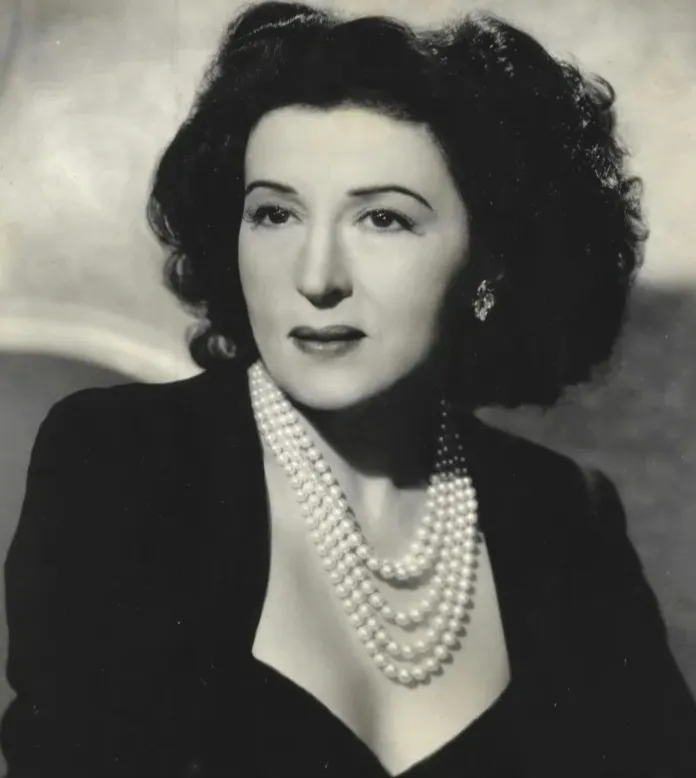
Photo: N/A studio, Public domain, via Wikimedia Commons
There's a version of Debbie Reynolds that most people know well — the one dancing with Gene Kelly, belting out a number in Las Vegas, or cracking a perfectly timed joke on a late-night talk show. But there's another version of Debbie Reynolds that only a lucky few got to experience up close: the woman who sat across a dressing room table, looked a nervous young performer dead in the eye, and said exactly what they needed to hear.
For decades, Reynolds served as an unofficial mentor to a generation of entertainers who came up behind her. She didn't advertise it. She didn't hold seminars or write self-help books. She just showed up — with stories, with honesty, and with a warmth that had a way of making people feel like they could handle whatever Hollywood was about to throw at them.
"She Treated You Like You Already Had It in You"
People who spent time around Reynolds consistently describe the same quality: she had an almost uncanny ability to see potential before it was visible to anyone else, including the person who had it. She wasn't the type to offer hollow flattery. If anything, she was famous for being direct — sometimes disarmingly so. But that directness always came wrapped in genuine belief.
Actresses who worked alongside her in theater productions or shared a bill in Vegas have talked about how Reynolds would pull them aside after a performance — not to critique the work, but to encourage the person. She understood that confidence was the foundation of everything, and she treated it as something worth tending to carefully, especially in younger women who were still figuring out how to hold their ground in an industry that wasn't always kind.
One recurring theme in accounts from those she mentored is how seriously Reynolds took the idea of showing up. Not just physically, but emotionally and professionally. She believed that reliability was a form of respect — for your craft, for your colleagues, and for every audience member who bought a ticket.
The Hard Lessons She Didn't Sugarcoat
Reynolds wasn't one to soften the edges of the truth when she felt someone genuinely needed to hear it. Those who knew her well recall that she had a particular sensitivity to when a performer was coasting — relying on charm or natural talent instead of doing the real work. She'd been burned by complacency herself, early in her career, and she didn't want to watch someone else make the same mistake.
She was known to talk openly about her own failures and setbacks, including the very public difficulties of her personal life, not as cautionary tales exactly, but as proof that you could take a hit and still come back swinging. She didn't glamorize hardship, but she refused to pretend it didn't exist. In a town built on illusion, that kind of honesty was rare — and it meant a great deal to the people she shared it with.
She also had strong opinions about money and independence. Having lived through financial devastation more than once, Reynolds made it her business to tell younger performers to understand their contracts, keep their own counsel, and never let anyone make them feel like their career was a favor being done to them. It was practical advice delivered with the authority of someone who had learned it the hard way.
The Philosophy of Resilience, Reynolds-Style
If there was one through-line in everything Debbie Reynolds taught the people around her, it was this: resilience isn't about pretending things don't hurt. It's about deciding, consciously, that you're going to keep going anyway.
She talked about her mother, Maxene, frequently — crediting her with instilling a no-excuses work ethic that carried her through every professional and personal storm. Reynolds passed that same ethos along to anyone willing to listen. She'd tell young performers that the audience doesn't care about your bad day, your nerves, or the fight you had backstage. What they care about is what you bring to them in that moment. And the way you bring your best, even when you don't feel like it, is practice. You practice being professional the same way you practice your scales or your footwork.
That philosophy extended beyond performance. Reynolds believed deeply in the idea of treating everyone on a set — from the director to the crew member moving a light — with the same level of respect. She was famously good with names, famously generous with her time during breaks, and famously unwilling to let anyone around her feel invisible. People who worked with her on small productions years after her peak Hollywood years talk about this quality with the same reverence as those who worked with her at MGM.
A Moral Compass in a Town That Needed One
Hollywood has never been short on big personalities. What it has often been short on is people willing to be genuinely decent without an agenda. Reynolds occupied that rare space. She was ambitious — fiercely so — but she didn't see other people's success as a threat to her own. That was unusual then, and it's unusual now.
People who came to her with professional dilemmas or personal crises describe a woman who listened first, asked sharp questions second, and offered her opinion only when she felt it was actually wanted. She wasn't a fixer by nature. She was more interested in helping people find their own answers than in handing them hers.
She also modeled something that's harder to teach than any technical skill: how to age in your career with dignity and without bitterness. Reynolds transitioned from ingénue to character actress to beloved cultural institution with a grace that seemed effortless but almost certainly wasn't. She talked openly about the emotional work required to let go of one version of yourself and embrace the next — and she encouraged younger performers to start thinking about that long before they needed to.
The Legacy That Lives in Other People
Debbie Reynolds' most enduring performances are documented on film, preserved for anyone who wants to revisit them. But her most important work — the conversations in dressing rooms, the phone calls at odd hours, the quiet encouragement offered to someone who wasn't sure they were going to make it — lives on in the people she shaped.
The entertainers she mentored carry pieces of her with them every time they step onto a stage or in front of a camera. Her philosophy shows up in the way they treat their colleagues, the way they talk to young performers who are just starting out, and the way they handle the inevitable rough patches that come with any life in the arts.
That's the thing about real mentorship. It doesn't end when the mentor is gone. It multiplies — passed from person to person, generation to generation, long after the original teacher has taken her final bow.
Debbie Reynolds understood that better than most. And she made sure the people around her did too.