Beyond the Spotlight: The Quiet Generosity That Defined Debbie Reynolds Off Screen
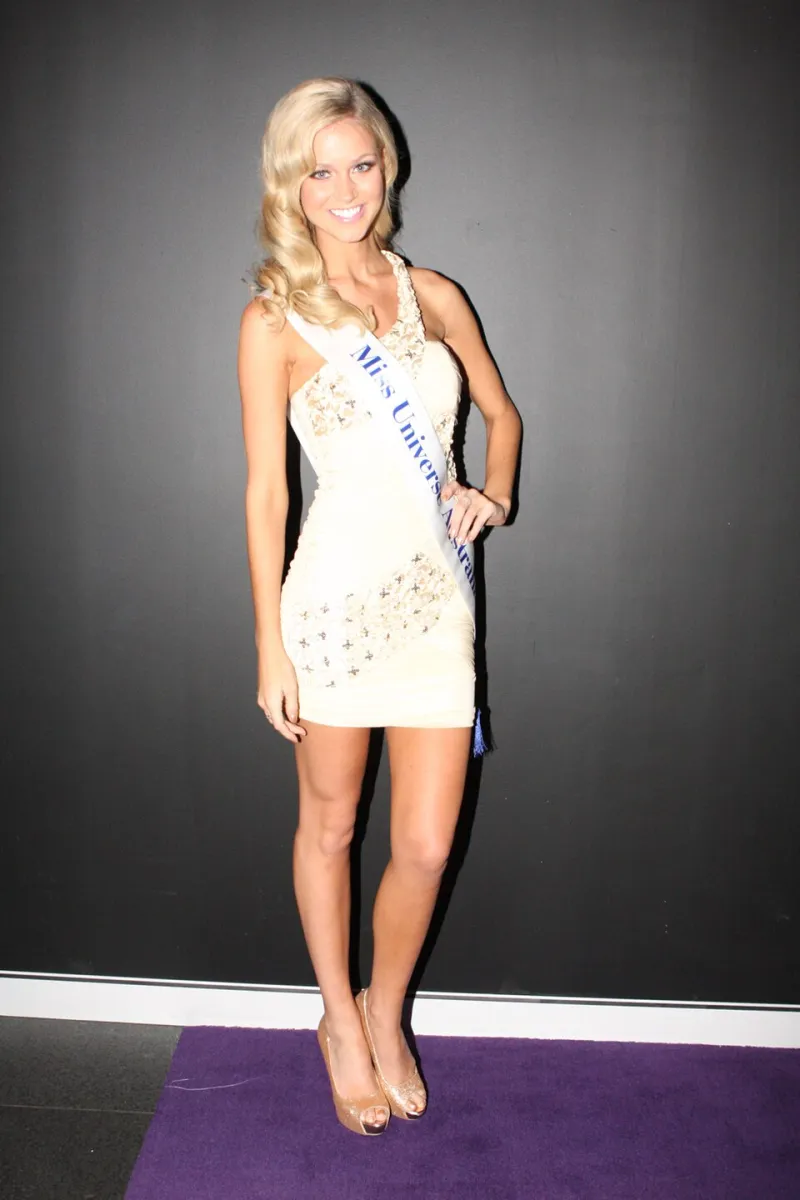
Photo: Eva Rinaldi, CC BY-SA 2.0, via Wikimedia Commons
There's a version of Debbie Reynolds that most people know — the one in the sequined gown, the one with the megawatt smile, the one who could light up any room she walked into. But there's another version, equally real and arguably just as important, that existed away from the cameras and the curtain calls. This is the Debbie Reynolds who showed up for people who needed help, who gave generously when no one was watching, and who understood that fame was most valuable when you used it for something bigger than yourself.
Her charitable work didn't make as many headlines as her movies. That was kind of the point.
The Thalians: A Lifelong Commitment
If you want to understand Reynolds' philanthropic values, start with the Thalians. Founded in 1955 by a group of Hollywood performers — Reynolds among them — the organization dedicated itself to funding mental health programs and research at a time when mental illness was still deeply stigmatized in American society. This wasn't a trendy cause. It wasn't the kind of thing that got you on the cover of a magazine. It was the kind of cause that required actual conviction.
Reynolds served as president of the Thalians multiple times over the decades and remained one of its most passionate advocates for the rest of her life. She organized fundraising galas, donated her own money, and used her celebrity connections to bring attention and dollars to mental health initiatives at Cedars-Sinai Medical Center in Los Angeles. At a time when Hollywood was more likely to ignore mental health issues than address them, Reynolds was in the room pushing for change.
The Thalians' work resulted in the establishment of mental health services that served thousands of patients. Reynolds understood that this was the kind of legacy that mattered — not the kind measured in box office receipts, but the kind measured in lives made a little more livable.
Showing Up After Disaster
Reynolds had a habit of showing up when things got hard. After major disasters — floods, earthquakes, national tragedies — she was often among the first in the entertainment community to organize benefit performances and fundraising efforts. She didn't wait to be asked. She picked up the phone.
This instinct went back decades. Throughout the 1960s and 70s, Reynolds regularly performed at benefit events for causes ranging from children's hospitals to veterans' organizations. She understood the unique power a performer has to draw a crowd and loosen wallets, and she used that power deliberately and consistently. Her Las Vegas performances, in particular, became a vehicle for fundraising. She'd headline a benefit show and put the proceeds toward whatever cause needed attention at the time.
Friends and colleagues who worked with her on these events often noted that she was the same backstage as she was onstage — energetic, focused, and genuinely invested in the outcome. This wasn't performance. It was personality.
Supporting the Arts and Preserving Hollywood History
Reynolds' famous collection of Hollywood memorabilia — costumes, props, and artifacts from the golden age of cinema — was itself an act of cultural philanthropy, even when it didn't look like one. She spent decades and significant personal funds acquiring pieces that studios were ready to discard, believing that they belonged to history and deserved to be preserved and shared.
Her dream was always to establish a museum where these pieces could be displayed for the public. That dream ran into financial and logistical obstacles that ultimately proved insurmountable during her lifetime, but the effort itself said something important about her values. Reynolds believed that art — and the history of American entertainment — was worth protecting. She put her money where her mouth was, even when it cost her.
The eventual auction of parts of her collection, while bittersweet, did result in many pieces finding permanent homes in institutions where they could be properly cared for and appreciated. The Smithsonian, among others, became a beneficiary of her preservation instincts.
The Personal Side of Giving
People who knew Reynolds personally tend to tell similar stories. She was the person who remembered your birthday, who sent a note when you were going through something hard, who showed up at the hospital or the funeral or the celebration when it mattered. This extended beyond her famous friends and colleagues to people who worked for her, people she'd met briefly but made an impression, people who needed something and somehow found their way to her door.
She was known to quietly pay medical bills for people in financial crisis, to fund scholarships for young performers who couldn't afford training, and to support friends through difficult times without making a production of it. The generosity was genuine precisely because it wasn't performative.
What Her Legacy Teaches Us
In an era when celebrity giving is often tied to brand management and social media visibility, Reynolds' approach to philanthropy feels almost radical. She gave because she believed in giving. She advocated for causes because she cared about them, not because caring was fashionable. And she did it consistently, across seven decades, regardless of where she was in her career or how complicated her personal finances were.
The Thalians' mental health work, the benefit performances, the preservation efforts, the private acts of generosity — taken together, they paint a picture of a woman who understood something fundamental: that what you do with your influence matters more than the influence itself.
Debbie Reynolds spent a lifetime making people laugh, making them cry, making them feel something. Off the stage and off the screen, she spent that same lifetime making things a little better for people who needed it. That's not a footnote to her legacy. That's the heart of it.