Six Decades, Zero Excuses: How Debbie Reynolds Refused to Let Hollywood Leave Her Behind
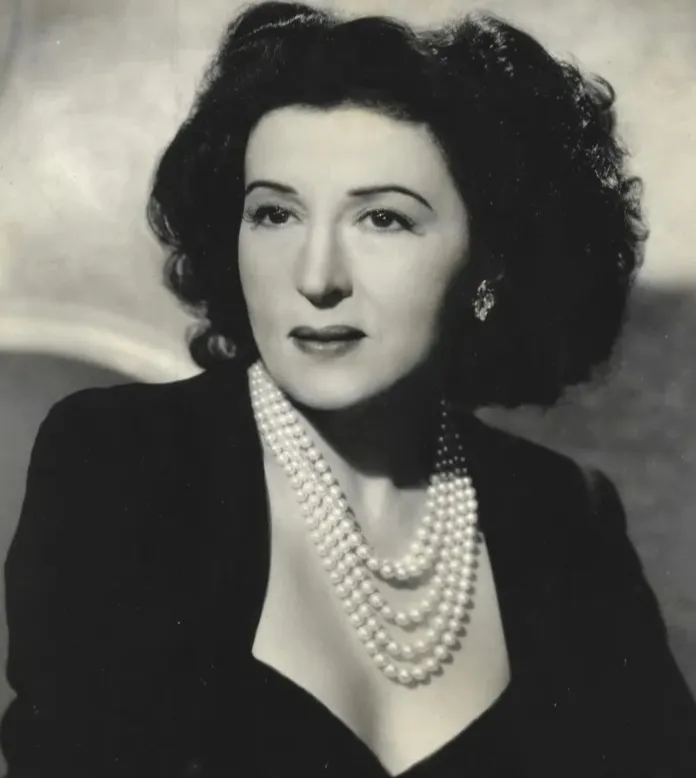
Photo: N/A studio, Public domain, via Wikimedia Commons
Most entertainers get one golden era. Debbie Reynolds got six. From her breakthrough as a fresh-faced teenager in the early 1950s all the way through her sharp, scene-stealing work in the 2010s, she never once waited for the industry to come back around to her — she went out and met it head-on. That kind of staying power doesn't happen by accident. It takes instinct, hustle, and a willingness to completely reimagine yourself every time the landscape shifts beneath your feet. Debbie had all three in spades.
So how exactly did she do it? What was the secret formula that kept her name relevant when so many of her contemporaries quietly faded into nostalgia? The answer isn't one big thing — it's a whole collection of smart moves, gutsy pivots, and genuinely brilliant reads on where popular culture was heading.
She Learned the Rules Before She Broke Them
Debbie's early career at MGM was basically a master class in the Hollywood studio system. She absorbed everything — how to sing, how to dance, how to carry a scene, how to handle a press junket. By the time she became a household name with Singin' in the Rain in 1952, she wasn't just a pretty face. She was a fully equipped performer with a toolkit that most people twice her age hadn't assembled yet.
That foundation mattered enormously later on. When the studio system collapsed in the late 1950s and early 1960s, a lot of contract players found themselves completely lost. They'd been told what to do for so long that they didn't know how to steer their own ships. Debbie was different. She'd been paying attention, and she understood that the skills she'd developed were transferable — even if the stages and screens she performed on kept changing.
Reading the Room When the Room Kept Changing
One of the most underrated things about Debbie Reynolds is how well she read cultural shifts. When Hollywood musicals started losing their commercial grip in the mid-1960s, she didn't cling to the genre like a life raft. Instead, she pivoted toward straight comedies and dramatic roles that let audiences see a different dimension of her talent. The Unsinkable Molly Brown in 1964 was a perfect example — it was a musical, yes, but it was also a showcase for her sheer force of personality, earning her an Academy Award nomination and reminding everyone that she was more than just a song-and-dance girl.
She made similar moves throughout her career. When film work slowed, she leaned into television at a time when many film stars still considered the small screen beneath them. When TV roles became harder to come by, she doubled down on live performance — building one of the most celebrated lounge acts in Las Vegas history. Each pivot wasn't a retreat. It was an advance in a new direction.
Las Vegas as a Career Lifeline — and a Launchpad
The Vegas years deserve their own spotlight. Starting in the 1970s and running well into the 2000s, Debbie's residencies at venues like the Desert Inn and later the Debbie Reynolds Hotel turned her into a live entertainment institution. While Hollywood was busy chasing younger demographics and reinventing its blockbuster formula, she was packing showrooms night after night with audiences who came specifically to see her.
What made those shows work wasn't just nostalgia — though there was plenty of that, and she played it beautifully. It was the fact that she kept updating the material. She incorporated impressions, sharp topical humor, and genuine crowd interaction that made every show feel fresh. She wasn't performing a museum exhibit of her career. She was having a conversation with her audience in real time, and they loved her for it.
The Television Comeback That Reminded Everyone
By the 1990s, a whole new generation was getting introduced to Debbie Reynolds through television, and she handled that reintroduction with total confidence. Her recurring role as Grace's mother Bobbi Adler on Will & Grace — which ran from 1999 to 2006 — was a genuine revelation for younger viewers who maybe only knew her name from their parents' record collections. She was funny, she was warm, she was a little bit ridiculous in the best possible way, and she absolutely held her own against a cast that was at the peak of its cultural moment.
That role earned her an Emmy nomination and opened doors to a whole new wave of opportunities. It also proved something important: Debbie Reynolds wasn't interested in being treated like a relic. She wanted to be in the mix, and she was willing to do the work to get there.
Owning Her Own Story
Another key piece of the reinvention puzzle was Debbie's willingness to lean into her own biography as source material. Her life — the Eddie Fisher scandal, the financial struggles, the complicated relationship with Carrie Fisher, the relentless professional grind — was genuinely dramatic stuff, and she didn't shy away from it. Her memoir, her one-woman shows, and her candid interviews all drew on that personal history in ways that made her feel deeply human rather than untouchably iconic.
There's something really smart about that approach. Audiences connect with people who've been through things and come out the other side still standing. Debbie understood that her story of survival and resilience was just as compelling as any role she'd ever played — maybe more so. She turned her own life into one of her best performances.
The Lesson She Leaves Behind
Looking back at the full arc of Debbie Reynolds' career, what stands out most isn't any single film or performance or accolade. It's the relentless forward motion. She never stopped asking herself what came next. She never assumed that yesterday's success would carry her through tomorrow. And she never let the industry define the limits of what she could be.
For anyone who loves entertainment — or who just loves a good story about someone who refused to quit — Debbie Reynolds is about as instructive as it gets. She wrote the playbook on staying relevant, one gutsy decision at a time, and the entertainment world is genuinely richer for every chapter she added to it.