Hidden Gems and Forgotten Treasures: A Deep Dive Into Debbie Reynolds' Most Overlooked Films
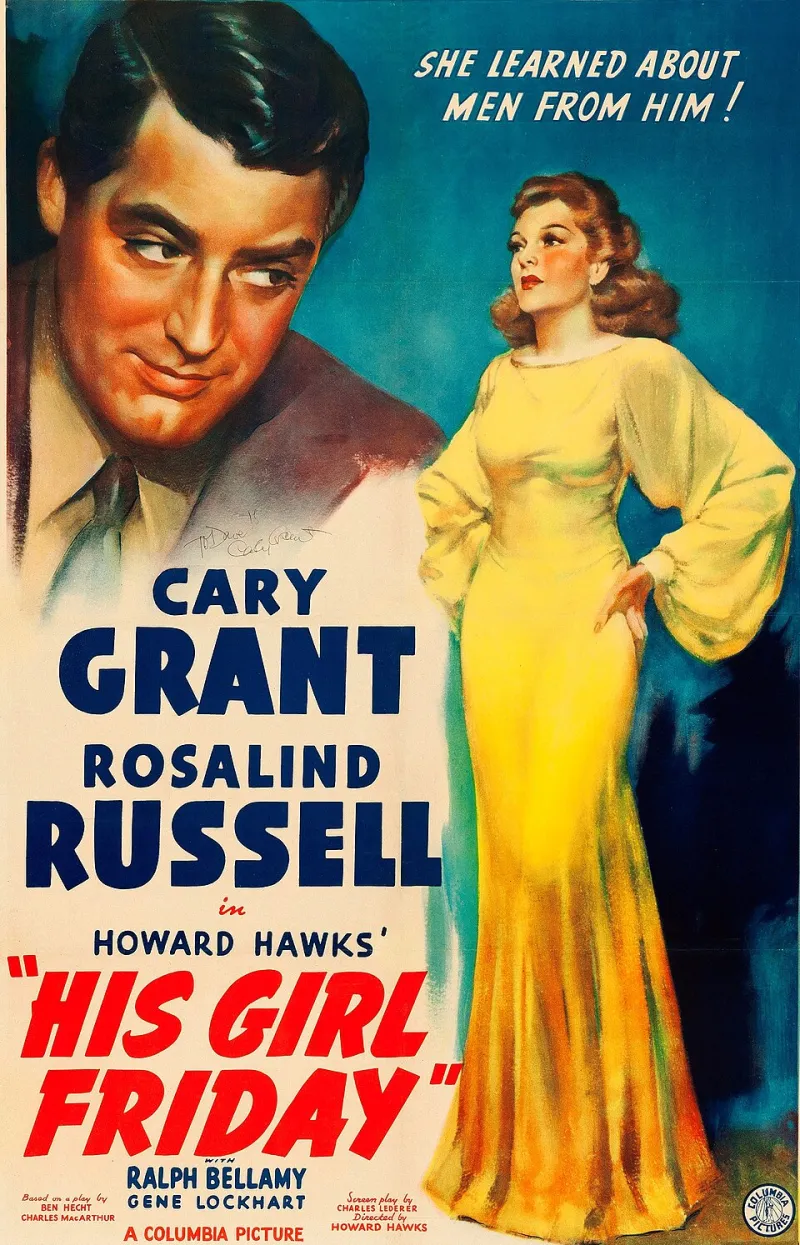
Photo: "Copyrighted by Columbia Pictures Corp, New York, N. Y. 1939", Public domain, via Wikimedia Commons
Ask anyone to name a Debbie Reynolds movie and there's a solid chance they'll go straight to Singin' in the Rain. Maybe The Unsinkable Molly Brown gets a mention. If they're really plugged in, Tammy and the Bachelor might come up. But here's the thing — Reynolds made over 50 films across four decades, and most of them are sitting quietly in the archives, waiting for audiences who never got the memo.
This isn't just a nostalgia exercise. These are genuinely good movies, and in many of them, Reynolds delivers performances that hold up remarkably well by any modern standard. So whether you're a longtime fan looking to go deeper or someone just getting acquainted with her work, consider this your watchlist.
Start Here: The 1950s Comedies That Prove She Was Always More Than a Pretty Face
The 1950s tend to get flattened into a single cultural image — poodle skirts, sock hops, wholesome Americana. Reynolds fit that mold on the surface, sure. But watch I Love Melvin (1953) and you'll see something sharper at work. Opposite Donald O'Connor, she plays Judy LeRoy, a chorus girl navigating ambition, romance, and the slippery promises of show business. The chemistry between Reynolds and O'Connor is electric, and her comic timing — already fully formed at just 21 — is something to behold.
Bundle of Joy (1956), her reteaming with real-life husband Eddie Fisher, gets dismissed too easily as a fluffy musical comedy. But Reynolds plays Polly Parrish with a warmth and wit that elevates material that could easily have gone saccharine. It's not a perfect film, but her performance absolutely is.
The Early '60s: Where Things Got Interesting
This is arguably the most underappreciated stretch of Reynolds' film career, partly because it sits in the shadow of Molly Brown (1964), which rightfully gets its due. But the years leading up to that Oscar-nominated turn are full of surprises.
The Rat Race (1960) is a genuine sleeper. Reynolds plays Peggy, a taxi dancer in New York City trying to make ends meet while navigating a city that's indifferent at best and predatory at worst. Opposite Tony Curtis, she brings a complexity that you simply don't expect if your only frame of reference is her earlier musicals. The film has grit. Reynolds matches it.
Then there's How the West Was Won (1962), the sprawling Cinerama epic that tends to be remembered more for its technical ambition than its performances. Reynolds holds her own in an ensemble that includes Gregory Peck, James Stewart, and Henry Fonda — no small feat for anyone, let alone someone still being typecast as the girl-next-door.
Dramatic Range: The Films That Surprised Everyone
One of the persistent myths about Reynolds is that she was primarily a light entertainer — a singer and dancer who dabbled in comedy. Her dramatic work tells a very different story.
Mary, Mary (1963) is a case study in Reynolds doing more with less. Based on a Broadway play, it's a wordy, stagey picture that lives or dies by its lead performance. Reynolds keeps the whole thing afloat through sheer force of personality and timing, finding the emotional undercurrent beneath the witty surface dialogue.
What's the Matter with Helen? (1971) is the wildcard entry on this list and probably the most surprising film in her entire catalog. A psychological thriller co-starring Shelley Winters, it finds Reynolds in genuinely unsettling territory — playing a woman whose cheerful exterior masks something much darker. If you've never seen it, clear an evening. It's unlike anything else she made.
The Later Career Films That Got Lost in the Shuffle
By the 1980s and beyond, Reynolds was doing a lot of her best work on television and on stage, which meant her film appearances became less frequent and often flew under the radar. But a few are worth tracking down.
Heaven and Earth (1993), Oliver Stone's Vietnam War trilogy closer, features Reynolds in a supporting role as a Southern mother struggling to accept her son's Vietnamese wife. It's a small part, but she brings an authenticity to it that grounds some of the film's more melodramatic moments.
And then there's Will & Grace — okay, that's television, but her recurring role as Grace's mother Grace Adler (Senior) introduced her to an entirely new generation and proved that her comic instincts were as sharp at 70 as they'd been at 20. If you haven't revisited those episodes, they hold up beautifully.
How to Build Your Reynolds Watchlist
If you're starting from scratch, here's a loose viewing order that moves from accessible to adventurous:
Start with: I Love Melvin — it's charming, fast-paced, and gives you a clear window into what made her such a magnetic screen presence early on.
Move to: The Rat Race — this is where you start to see the dramatic muscle she was developing beneath all those musicals.
Then: Mary, Mary — a showcase for her comedic intelligence in a more adult register.
Save for last: What's the Matter with Helen? — it's the one that'll genuinely reframe how you think about her range.
Why These Films Matter Now
There's a tendency to evaluate classic Hollywood stars through their peak commercial moments — the blockbusters, the Oscar nominations, the cultural touchstones. But the fuller picture of any great performer lives in the deeper cuts, the B-sides, the films that didn't make the poster campaigns but kept the craft alive.
Debbie Reynolds worked constantly, took risks, and brought genuine commitment to projects that didn't always deserve it. That's not a footnote to her legacy — it's the heart of it. The willingness to show up fully, regardless of the marquee value, is what separates a star from an artist.
She was both. These films prove it.
So the next time you're scrolling for something to watch and you want to go somewhere genuinely unexpected, skip the obvious choices and dig into the catalog. There's a lot of Debbie Reynolds left to discover — and every single frame is worth your time.