Laugh Lines and Luminance: The Comic Genius That Made Debbie Reynolds a One-of-a-Kind Star
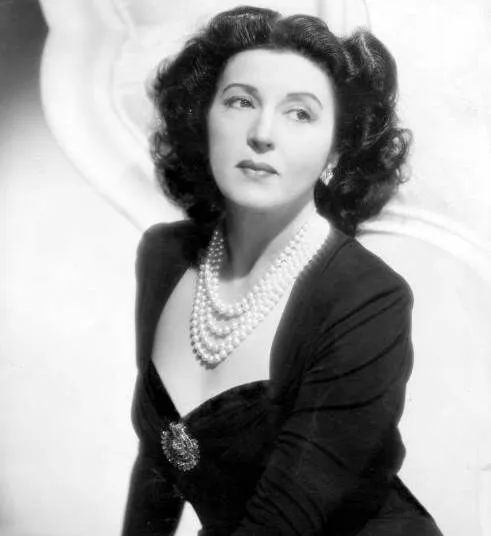
Photo: N/A studio, Public domain, via Wikimedia Commons
Ask most people what made Debbie Reynolds a legend, and they'll probably mention Singin' in the Rain, maybe her voice, maybe that incredible work ethic that kept her performing well into her eighties. What doesn't always get the headline it deserves? Her comedy. Sharp, warm, occasionally downright silly, and always precisely delivered — Debbie Reynolds had a comic sensibility that could go toe-to-toe with the best in the business. And she made it look completely effortless, which, if you know anything about comedy, is the hardest trick of all.
The Timing Was Never an Accident
Great comedic timing isn't something you stumble into. It's a craft, and Reynolds approached it with the same discipline she brought to every other aspect of her performance. From her earliest screen appearances, she demonstrated an instinctive understanding of the pause — that half-beat of silence before the punchline lands, the slight widening of the eyes before the reaction hits. It's the kind of thing audiences feel without consciously registering it, and it's what separates a performer who gets laughs from one who genuinely connects.
In Singin' in the Rain (1952), Reynolds was nineteen years old and largely untested, sharing the screen with Gene Kelly and Donald O'Connor — two performers who had spent years perfecting their comic chops. She held her own not by out-mugging them, but by playing her moments with a kind of bright-eyed sincerity that made the humor land differently. Her Kathy Selden was funny because she was real, and that grounded quality became a hallmark of everything Reynolds did on screen.
Physical Comedy Without the Pratfall Clichés
One of the things that set Reynolds apart from many of her contemporaries was her approach to physical comedy. She wasn't about cheap pratfalls or exaggerated mugging for the camera. Her physicality was more nuanced — a certain looseness in her posture, a way of carrying herself that suggested she was always ready to pivot from sincere to absurd without warning.
In The Unsinkable Molly Brown (1964), you can see this quality in full bloom. The role required her to play a rough-around-the-edges Colorado girl navigating high society, and Reynolds found the comedy in the gap between who Molly was and where she was trying to go. She used her body expressively — a too-stiff curtsy here, an overly enthusiastic greeting there — to build a character whose humor came from genuine human awkwardness rather than performed clowning. It's physical comedy with a soul, and it's considerably harder to pull off than it looks.
Wit That Could Cut Glass
Beyond the physical stuff, Reynolds had a genuine wit that came through in her delivery of scripted lines and, perhaps even more impressively, in interviews and live appearances. She was famously candid about her own life — the very public heartbreak of her first marriage, the financial struggles, the years of grinding through Las Vegas engagements when Hollywood wasn't calling as often. But she talked about all of it with a wry humor that never tipped into self-pity or bitterness.
That quality translated directly to her performances. In How the West Was Won (1962), in her television work on Will & Grace, and in her one-woman stage shows, Reynolds had a gift for the throwaway line — the quip delivered so casually that audiences almost missed it before the laughter caught up. It was conversational comedy, the kind that makes you feel like you're in on the joke rather than watching someone perform one.
Television and the Art of the Quick Take
If her film work showcased the longer arc of her comedic sensibility, television gave Reynolds a chance to show how fast she could be. Her appearances on talk shows, variety programs, and eventually her recurring role as Grace's mother Grace Adler on Will & Grace demonstrated a performer who understood the rhythms of the small screen completely.
The Will & Grace role in particular is worth dwelling on. Reynolds joined the show in 2006, playing a character who was equal parts warm and catastrophically self-absorbed, and she was genuinely hilarious. She played the comedy broadly when the scene called for it and pulled back to something more understated when that worked better, and she clearly relished the opportunity to work with a cast that matched her energy. The role earned her an Emmy nomination — a long-overdue piece of formal recognition for a dimension of her talent that had always been somewhat taken for granted.
Blending the Funny with the Feeling
Perhaps the most sophisticated thing about Reynolds' comedy was how rarely it existed in isolation from genuine emotion. She understood intuitively that the funniest moments are often the ones that are also a little heartbreaking, or a little tender, or a little triumphant. She didn't compartmentalize — she let the humor and the feeling exist in the same breath.
This is what made her live performances so extraordinary. In her Las Vegas and touring shows, Reynolds moved fluidly between showstopping musical numbers, self-deprecating stories about her life, and moments of genuine connection with her audience. She'd have a room full of people laughing at a story about a Hollywood disaster, then pivot to a song that left those same people reaching for tissues. That ability to hold multiple emotional registers simultaneously is a rare gift, and it was central to why audiences felt so deeply attached to her.
Why It Still Matters
Debbie Reynolds spent decades being celebrated for the things that were easy to see — the dancing, the singing, the sheer stamina. But the comedy was always there, threading through everything she did, and it's worth taking a moment to appreciate it properly. In an era when female performers were often pushed toward a narrow range of acceptable expressions, Reynolds claimed the full spectrum. She was glamorous and goofy, sophisticated and slapstick-ready, and she never seemed to think those things were in conflict.
That's a legacy worth laughing about — in the best possible way.