The Voice Behind the Magic: How Debbie Reynolds' Singing Made Her One of Hollywood's Greatest
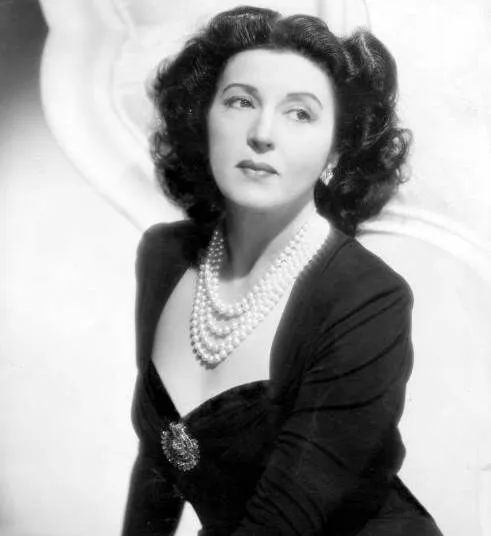
Photo: N/A studio, Public domain, via Wikimedia Commons
Ask most people what made Debbie Reynolds a star and they'll probably mention Singin' in the Rain, her irresistible screen presence, or that unstoppable energy she brought to every role. What often gets glossed over — and frankly, it's a crime — is the voice. That warm, clear, emotionally intelligent singing voice that showed up in film after film, on stage night after night, and never once let her down.
Reynolds wasn't trying to be an opera singer or a pop icon. She was something rarer: a storyteller who happened to sing. And that distinction made all the difference.
A Voice That Grew Up in Public
When Reynolds was cast in Singin' in the Rain in 1952, she was barely nineteen years old and had almost no formal vocal training. MGM threw her into rehearsals alongside Gene Kelly and Donald O'Connor — two of the most seasoned performers in Hollywood — and she held her own. The song "Would You?" showcased a lightness and sincerity that was distinctly hers, even at that early stage. Critics at the time might have called it pleasant. Looking back, it was the foundation of something genuinely special.
By the time Tammy and the Bachelor came around in 1957, that foundation had solidified into something audiences couldn't get enough of. "Tammy" became a number-one hit on the Billboard charts, which was no small feat for a movie theme at the time. What made it work wasn't just the melody — it was Reynolds' delivery. She sang it like she meant every single word, with a kind of wholesome earnestness that felt completely authentic rather than manufactured. That song spent five weeks at the top of the charts and introduced millions of Americans to Reynolds as a genuine recording artist, not just a movie star who could carry a tune.
More Than "Pleasant" — The Emotional Intelligence in Every Note
One of the things that separated Reynolds from her contemporaries was her instinct for emotional phrasing. She understood that a song in a film or on a stage isn't just a musical interlude — it's a continuation of the story. When she performed "Aba Daba Honeymoon" alongside Carleton Carpenter in Two Weeks with Eve (1950), the playfulness in her voice matched the scene's comic energy perfectly. But when the material called for something deeper, she could go there too.
Her work in The Unsinkable Molly Brown (1964) is probably the best showcase of her full vocal range. The Broadway-to-Hollywood adaptation gave Reynolds room to belt, to croon, and to bring genuine dramatic weight to her musical moments. Her performance earned her an Academy Award nomination, and the singing was a huge part of why. Songs like "I Ain't Down Yet" weren't just performed — they were inhabited. You believed this woman had fought for everything she had.
Live Performance: Where the Voice Really Shone
If the films gave Reynolds a platform, live performance was where her voice truly came into its own. Her Las Vegas shows — which she headlined for years at the Debbie Reynolds Hotel and later at Harrah's — became legendary precisely because of what she brought to them vocally. Night after night, she'd work through a catalog that spanned decades, from classic standards to pop songs to show tunes, and she made each one feel personal.
Audiences who caught her live often came away surprised. They expected the Debbie Reynolds they knew from the movies — charming, funny, full of energy. What they got was all of that, plus a vocalist who knew exactly what she was doing. Her breath control, her timing, the way she'd lean into a lyric for emphasis — these were the tools of a seasoned professional who had spent decades refining her craft.
Television gave her another avenue to show what she could do. Her appearances on variety shows throughout the 1960s and 70s put her voice in front of huge audiences, and she consistently delivered. Whether she was trading harmonies with a guest or holding a number solo, Reynolds commanded attention.
The Evolution Across Seven Decades
What's remarkable about Reynolds' voice is how gracefully it aged. Many singers lose something essential as the years go by — a brightness in the upper register, a certain ease in the lower notes. Reynolds adapted. Her later performances traded some of that youthful lightness for a depth and warmth that came from lived experience, and honestly, the trade was worth it.
By the time she was performing in her seventies and eighties, her voice carried something extra — a gravitas, a sense of history. When she sang a classic standard late in her career, you weren't just hearing the song. You were hearing someone who had been there for all of it, who had watched Hollywood change around her and kept singing through every shift.
Why She Deserves More Credit
Part of the reason Reynolds' voice gets underrated is that she never leaned on it as her primary identity. She was always Debbie Reynolds — actress, comedian, entertainer — and the singing was woven into that larger package rather than front and center. But that integration is actually what made her a true triple threat. The voice served the performance, and the performance served the story. That's a harder trick to pull off than it sounds.
She also had the misfortune of working in an era when the "serious vocalist" label was handed out pretty selectively. Reynolds was too likable, too funny, too all-around talented to be pigeonholed as just a singer. And so the singing got taken for granted.
It shouldn't have been. From that first MGM soundstage to her final curtain calls, Debbie Reynolds' voice was one of the great instruments of American entertainment. It told stories, it moved audiences, and it never once stopped growing. That's a legacy worth celebrating.