Rhythm, Grace, and Grit: Ranking Debbie Reynolds' Greatest Dance Moments

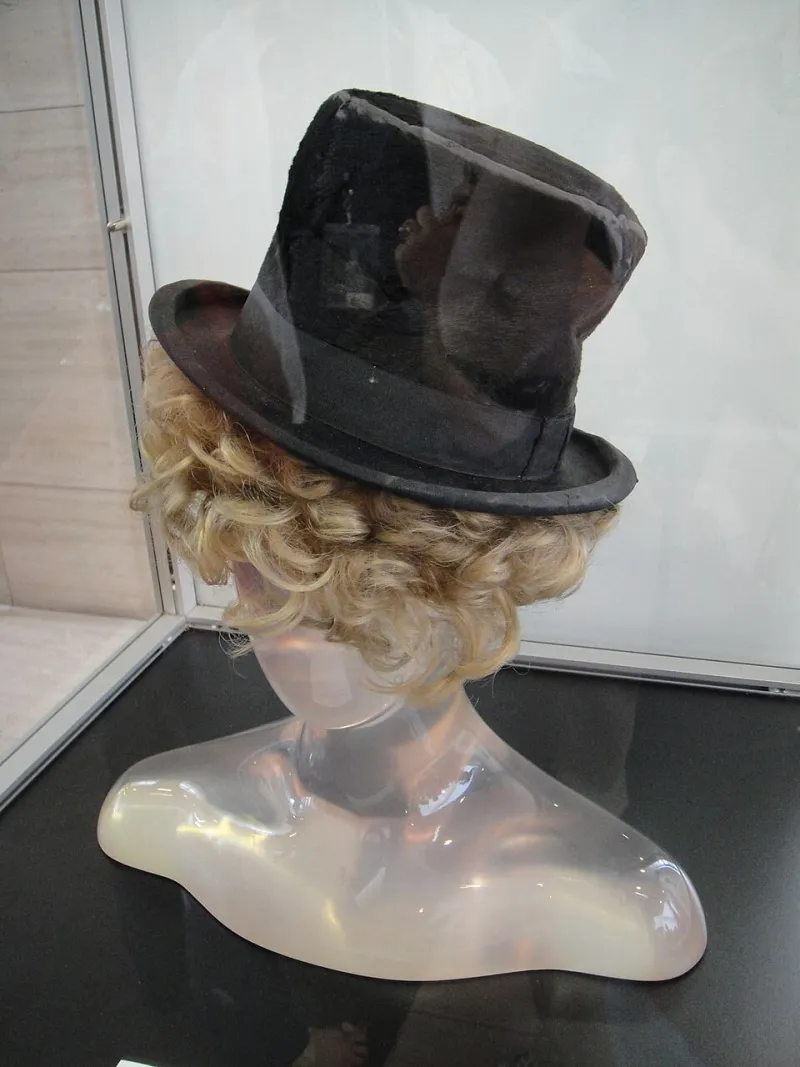
Photo: Joe Haupt from USA, CC BY-SA 2.0, via Wikimedia Commons
There's a story Debbie Reynolds told more than once about learning to dance for Singin' in the Rain. She had virtually no formal training when MGM cast her opposite Gene Kelly and Donald O'Connor — two of the most technically accomplished dancers in the business. She practiced until her feet bled. She cried in the gym. She pushed herself so hard that Kelly himself reportedly said she had more determination than almost anyone he'd worked with. That story says everything you need to know about why her dance performances hit differently than almost anyone else's from the golden age of Hollywood.
She wasn't born into ballet or groomed at a conservatory. She fought for every step, and it showed — in the best possible way. Here at Debbie Reynolds Online, we're taking a deep dive into her most iconic choreographed moments, ranked by their cultural impact, technical ambition, and the sheer joy they radiated off the screen and stage.
5. "Tammy" and the Art of Simplicity (Tammy and the Bachelor, 1957)
Okay, so "Tammy" isn't a dance number in the traditional sense — but the way Reynolds moved through that film, with a lilting, almost folk-dance quality to her physicality, deserves recognition. The performance was understated and deliberate, and it showed a different side of her movement vocabulary. After the high-energy spectacle of her earlier MGM work, watching her embody a character through gentle, grounded movement was genuinely impressive. It proved she wasn't just a hoofer — she was a performer who used her body as a storytelling instrument.
The song became a number-one hit, and while the choreography was minimal, the way Reynolds inhabited the physicality of Tammy Tyree left a lasting impression. Sometimes restraint is the hardest technique to master.
4. Broadway Bound: Her Las Vegas and Stage Show Era
For a significant chunk of the 1970s and beyond, Debbie Reynolds was a Vegas headliner — and her stage shows were full-on productions with elaborate choreography that rivaled anything on Broadway. She headlined the Desert Inn and later the Debbie Reynolds Hotel (yes, she owned a hotel and casino on the Strip — more on that another time), and those shows were legendary for their energy and polish.
What made her stage dancing remarkable at this point in her career was the sheer endurance it required. She was performing high-kicks and full production numbers well into her fifties and sixties, and doing it with a precision that left audiences stunned. Longtime fans who saw those shows still talk about them. She wasn't coasting on nostalgia — she was delivering technically demanding work night after night, sometimes multiple shows per evening.
Her 1973 Broadway run in Irene is particularly worth noting. Critics praised her tap sequences and her ability to anchor big ensemble numbers while still making every individual moment feel personal. The show ran for 604 performances, and Reynolds was the engine driving it.
3. "I Wanna Be Loved By You" (The Unsinkable Molly Brown, 1964)
This number is a masterclass in comedic physicality. Reynolds plays Molly Brown attempting to perform a burlesque-style number, and the choreography — handled with brilliant timing — walks a razor-thin line between parody and genuine showmanship. The genius is that Reynolds is good enough of a dancer to intentionally perform slightly "off," which is actually harder than performing perfectly.
The sequence was choreographed to highlight her comedic chops while simultaneously showcasing her rhythm and stage presence. Watch her footwork closely — there's real technique underneath the goofiness. The number earned her an Academy Award nomination for Best Actress (for the film overall), and it remains one of the most charming musical comedy performances of the decade.
2. "Abba Dabba Honeymoon" (Two Weeks with Love, 1950)
This is the number that put Debbie Reynolds on the map, and watching it today, you can absolutely understand why. Paired with Carleton Carpenter, the then-18-year-old Reynolds delivered a performance so full of spark and comedic timing that MGM executives reportedly watched the dailies in disbelief. The song became a massive hit, reaching number three on the Billboard charts.
The choreography itself is deceptively tricky — lots of quick directional changes, synchronized physical comedy, and moments that require the two performers to be completely locked in together. Reynolds holds her own against a more experienced partner with a confidence that belies her age and limited training. It's the kind of debut moment that studios dream about, and it set the trajectory for everything that came after.
1. "Good Morning" (Singin' in the Rain, 1952)
If you had to point to one single sequence that encapsulates what made Debbie Reynolds extraordinary as a dancer, it's this one. Often overshadowed by Gene Kelly's iconic title number, "Good Morning" is a three-person tap extravaganza featuring Kelly, Donald O'Connor, and Reynolds — and she keeps up with both of them, beat for beat, for nearly four minutes.
The context makes it even more astonishing. Reynolds had been dancing seriously for less than a year when filming began. The sequence reportedly took over two days to film, and Reynolds pushed through exhaustion and physical pain to nail it. The choreography, developed by Kelly and O'Connor with input from director Stanley Donen, is relentlessly energetic — incorporating furniture, props, and the full architectural space of the set.
What Reynolds brings to the number beyond technical execution is infectious joy. She's clearly working at her absolute limit, and yet she radiates pure delight. That tension between effort and exuberance is what makes the performance transcendent. It's not just good dancing — it's a window into what it means to be fully, completely alive in a moment.
Decades of film historians and choreographers have cited this number as one of the finest ensemble dance sequences ever committed to film. And at the center of it, holding her own between two legends, is a teenage girl from El Paso who refused to quit.
The Bigger Picture
What unites all of these performances is something that no amount of training can teach: presence. Debbie Reynolds had an innate ability to make every person in the audience feel like she was dancing specifically for them. Technique can be learned. Charisma like hers is rarer.
Her legacy as a dancer is often undersold because she was so good at so many other things — acting, singing, comedy, producing. But spend an afternoon watching these numbers back to back, and you'll come away with a renewed appreciation for just how special she was. Not despite the struggle, but because of it.
She earned every single step.