Bright Lights, Bigger Stage: How Debbie Reynolds Conquered Broadway and Las Vegas
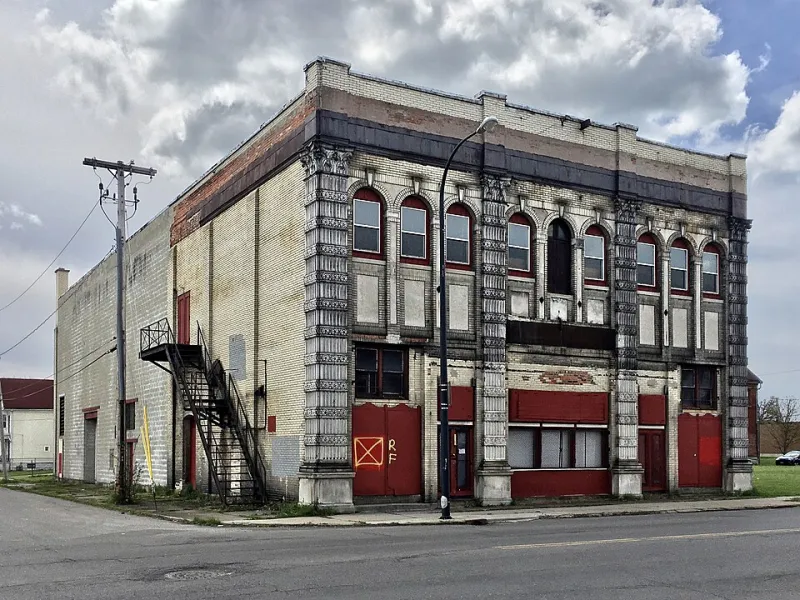
Photo: Andre Carrotflower, CC BY-SA 4.0, via Wikimedia Commons
There's a moment in live theater — right before the house lights drop — where anything feels possible. For Debbie Reynolds, that feeling wasn't just poetic. It was a professional calling she answered with the same fearless energy she brought to every single thing she ever did. While the world knew her from the silver screen, it was the live stage that revealed just how deep her talent really ran.
Most stars of her caliber would have been content to rest on the legacy of a film like Singin' in the Rain or The Unsinkable Molly Brown. Debbie Reynolds was not most stars.
A Star Who Never Stopped Moving
By the time Reynolds started making serious inroads into live performance, she had already logged more than a decade of Hollywood work. Film sets had given her discipline, camera awareness, and an almost supernatural ability to look effortless under pressure. But the stage demanded something different — something rawer. There are no second takes in front of a live audience. No editing room to smooth over a stumble. It's just you, the spotlight, and a few hundred people who paid good money to see something real.
Reynolds didn't flinch. If anything, she seemed to thrive on the stakes.
Her early forays into live performance — particularly in Las Vegas during the 1960s and 1970s — quickly became the stuff of entertainment legend. The Vegas showroom circuit of that era was its own universe, populated by the biggest names in American entertainment. Frank Sinatra, Sammy Davis Jr., Dean Martin — these were the names on the marquees. And then there was Debbie Reynolds, holding her own right alongside them, night after night, show after show.
What set her Vegas performances apart wasn't just the singing or the dancing, though both were exceptional. It was the intimacy she created in rooms that seated hundreds. She had a gift for making every single person in the audience feel like she was performing just for them.
Broadway Comes Calling
If Las Vegas showcased Reynolds' showmanship, Broadway tested her dramatic range in a whole new way. Her stage work in productions like Irene in 1973 was a genuine turning point. The show, a revival of a beloved 1919 musical, could have been a nostalgia exercise. In Reynolds' hands, it became something vibrant and alive.
Irene ran for over 600 performances on Broadway — a remarkable run by any standard — and Reynolds earned a Tony Award nomination for her work. Critics who might have expected a movie star coasting on her name were caught off guard. What they saw instead was a performer who had clearly done the work: the vocal preparation, the physical stamina required for eight shows a week, and the emotional presence that live theater demands in a way film simply doesn't.
The Broadway experience also changed something in Reynolds herself. In interviews from that period, she spoke about how performing live reconnected her to the reasons she fell in love with entertainment in the first place — the immediate feedback of a laughing crowd, the electricity of a standing ovation, the way a single night's performance could never be replicated exactly.
The Las Vegas Years: Building a Different Kind of Legacy
Reynolds' relationship with Las Vegas extended well beyond the showroom circuit. In 1993, she opened the Debbie Reynolds Hotel and Casino on Convention Center Drive, a venue that became as much a museum of Hollywood history as it was a performance space. The hotel housed her extraordinary personal collection of Hollywood memorabilia — costumes, props, photographs — turning it into a destination for fans who wanted to connect with the golden age of American entertainment.
She performed there regularly, and those shows became legendary in their own right. Part concert, part storytelling session, part comedy showcase — a Reynolds performance in Vegas was genuinely unlike anything else on the strip. She'd work through her catalog of songs, share behind-the-scenes stories from decades in Hollywood, and keep audiences laughing with a self-deprecating wit that never felt rehearsed.
That combination of warmth, humor, and genuine talent was something no amount of technical polish could manufacture. It came from a lifetime of performing, yes, but also from a personality that was authentically, irreducibly Debbie Reynolds.
What the Stage Gave Her That Film Couldn't
Film preserves a performer at a single moment in time. Watch Singin' in the Rain today and you're watching a 19-year-old Debbie Reynolds, frozen perfectly in 1952. That's its own kind of magic. But live performance is different. It grows and changes with the performer, reflecting everything they've lived and learned.
Reynolds' stage work through the 1970s, 1980s, and beyond showed audiences a woman who was getting better with age — sharper, funnier, more emotionally resonant, and somehow more energetic than performers half her age. The stage let her tell the story of her whole career in real time, incorporating her experiences rather than being defined by a single iconic role.
There's also something worth noting about courage. Reynolds came up in an era when female entertainers were frequently expected to transition gracefully into supporting roles or semi-retirement as they aged. She refused. The stage became her platform for proving, year after year, that the appetite for her talent had not diminished — and neither had the talent itself.
A Legacy That Still Resonates
For fans of Debbie Reynolds, her stage career isn't a footnote to her film work. It's a whole other chapter — one filled with sequins and spotlights and the particular joy of watching someone do exactly what they were born to do. She didn't just transition from screen to stage. She expanded, evolved, and ultimately showed the entire entertainment industry what a truly complete performer looked like.
From the neon glow of the Las Vegas strip to the storied stages of Broadway, Debbie Reynolds never stopped reaching for the next spotlight. And every time she found it, she lit up the room.